

Luxury Uganda Primate Safari: The Ultimate Guide to Gorilla, Chimpanzee & Wildlife Encounters
Uganda, Where the Forest Comes Alive
There are safari destinations where the landscape takes center stage.
And then there is Uganda.
Here, the forest itself becomes the experience.
A rustle in the vegetation.
A distant call from the canopy.
Chimpanzees moving through the trees.
And, deep within the misty forests of southwestern Uganda, the possibility of encountering one of Africa’s most extraordinary primates.
A luxury Uganda primate safari brings together mountain gorillas, chimpanzees, rainforest landscapes and classic African wildlife in one remarkable journey.
The experience is intimate.
It is active.
And it feels profoundly different from a traditional savannah safari.
For a complete nine-day journey, explore Beaumont Tours’ Uganda Primate Sanctuaries & Elite Wildlife Encounters.
Why Choose Uganda for a Primate Safari?
Uganda offers an unusual combination.
You can trek through ancient rainforest in search of mountain gorillas.
The following day, walk beneath the canopy looking for chimpanzees.
Then trade forest trails for open savannah and watch elephants, lions, buffalo and antelope.
The variety is exceptional.
The journey can include:
- Mountain gorilla trekking
- Chimpanzee trekking
- Primate viewing
- Savannah game drives
- Boat experiences
- Forest walks
- Birdwatching
- Cultural encounters
- Conservation experiences
It is a safari for travelers who want to be immersed rather than simply driven through a wildlife reserve.
Bwindi: The Gorilla Experience
Bwindi Impenetrable National Park is one of the defining destinations for a luxury Uganda primate safari.
The forest is ancient, dense and beautifully atmospheric.
The terrain can be challenging.
Roots cross the trail.
Vegetation surrounds you.
Mist can drift through the trees.
And somewhere within this ecosystem lives the mountain gorilla.
Gorilla trekking is not a conventional game drive.
You leave the vehicle behind.
You walk.
The experience depends on the forest, terrain, weather and location of the gorilla group you are tracking.
No encounter can be guaranteed.
That unpredictability is part of what makes the experience so powerful.
What Gorilla Trekking Feels Like
The day usually begins early.
After breakfast, you prepare for the trek.
Your guides and trackers provide instructions before you enter the forest.
Then the search begins.
You follow trails.
Listen.
Watch.
Wait.
The forest constantly changes around you.
When gorillas are located, the atmosphere changes immediately.
You may find yourself standing quietly as they move through the vegetation.
A mother with her young.
A silverback watching from nearby.
A juvenile playing in the undergrowth.
Every encounter is different.
How Difficult Is Gorilla Trekking?
Trekking conditions vary.
The forest is mountainous in places, and trails can be steep or muddy.
The time required can also vary depending on where the gorillas are located that day.
Some travelers may have a relatively short trek.
Others may spend considerably longer in the forest.
Fitness preparation is therefore worthwhile.
Comfortable hiking footwear, layered clothing and appropriate rain protection are essential.
Kibale: The Primate Capital
Kibale National Park provides a completely different forest experience.
It is particularly famous for chimpanzee trekking.
The forest is rich in primate species.
You may encounter:
- Chimpanzees
- Red-tailed monkeys
- Black-and-white colobus
- L’Hoest’s monkeys
- Blue monkeys
- Baboons
Chimpanzee behavior can be fascinating.
They communicate.
Move through the canopy.
Feed.
Rest.
And interact with one another.
The experience feels active and unpredictable.
Chimpanzee Trekking in Kibale
A chimpanzee trek begins with a briefing.
Then you enter the forest.
Unlike a conventional game drive, your senses become central.
Listen for calls.
Watch the canopy.
Look for movement.
Follow your trackers.
The forest can be surprisingly quiet one moment and alive with sound the next.
Chimpanzees are wild animals.
Sightings and encounter conditions cannot be guaranteed.
Beyond Gorillas and Chimpanzees
Uganda’s appeal does not end with primates.
A well-designed itinerary can include classic safari experiences.
Queen Elizabeth National Park provides a natural transition from forest to savannah.
Here, you may encounter:
- Elephants
- Lions
- Buffalo
- Hippos
- Antelope
- Warthogs
- Leopards
- Primates
Wildlife sightings are naturally variable.
The landscape itself is part of the experience.
The Kazinga Channel
A boat experience on the Kazinga Channel can be one of the most relaxing moments of a Uganda safari.
The channel connects Lake Edward and Lake George.
From the water, you can observe wildlife along the shoreline.
Hippos gather near the water.
Elephants may approach the shore.
Buffalo rest nearby.
Birdlife is abundant.
The perspective is completely different from a game drive.
Ishasha and the Southern Wilderness
Ishasha, in the southern part of Queen Elizabeth National Park, adds another layer to a primate and wildlife journey.
The landscape is quieter and more remote.
The area is known for tree-climbing lions, although sightings are never guaranteed.
The broader experience is about wilderness.
Open plains.
Fig trees.
Wildlife.
And a feeling of being far from the ordinary.
Mgahinga: Gorillas and Volcanoes
Mgahinga Gorilla National Park offers another setting for gorilla trekking.
The park lies within the Virunga landscape.
Volcanic peaks rise above the forest.
The scenery creates a dramatic backdrop for a primate journey.
For travelers interested in combining gorillas with mountain landscapes, it can be an appealing alternative or complement to Bwindi.
Uganda’s Green Season
The green season can be especially beautiful.
Rain brings fresh growth.
Forests become vibrant.
The landscape takes on deeper shades of green.
Waterfalls and rivers can become more dramatic.
For photographers, changing skies and lush vegetation can create striking images.
But rainfall can also make forest trails muddy.
Road conditions may change.
Travel times can vary.
The green season rewards flexibility.
Why Luxury Works So Well in Uganda
A primate safari can be physically demanding.
You may spend hours trekking through forest.
That makes your accommodation particularly important.
After a day outdoors, return to a beautiful lodge.
Take a hot shower.
Enjoy a carefully prepared meal.
Relax beside the fire.
Perhaps have a massage.
The contrast between adventure and comfort is part of the luxury.
Luxury Lodges in the Forest
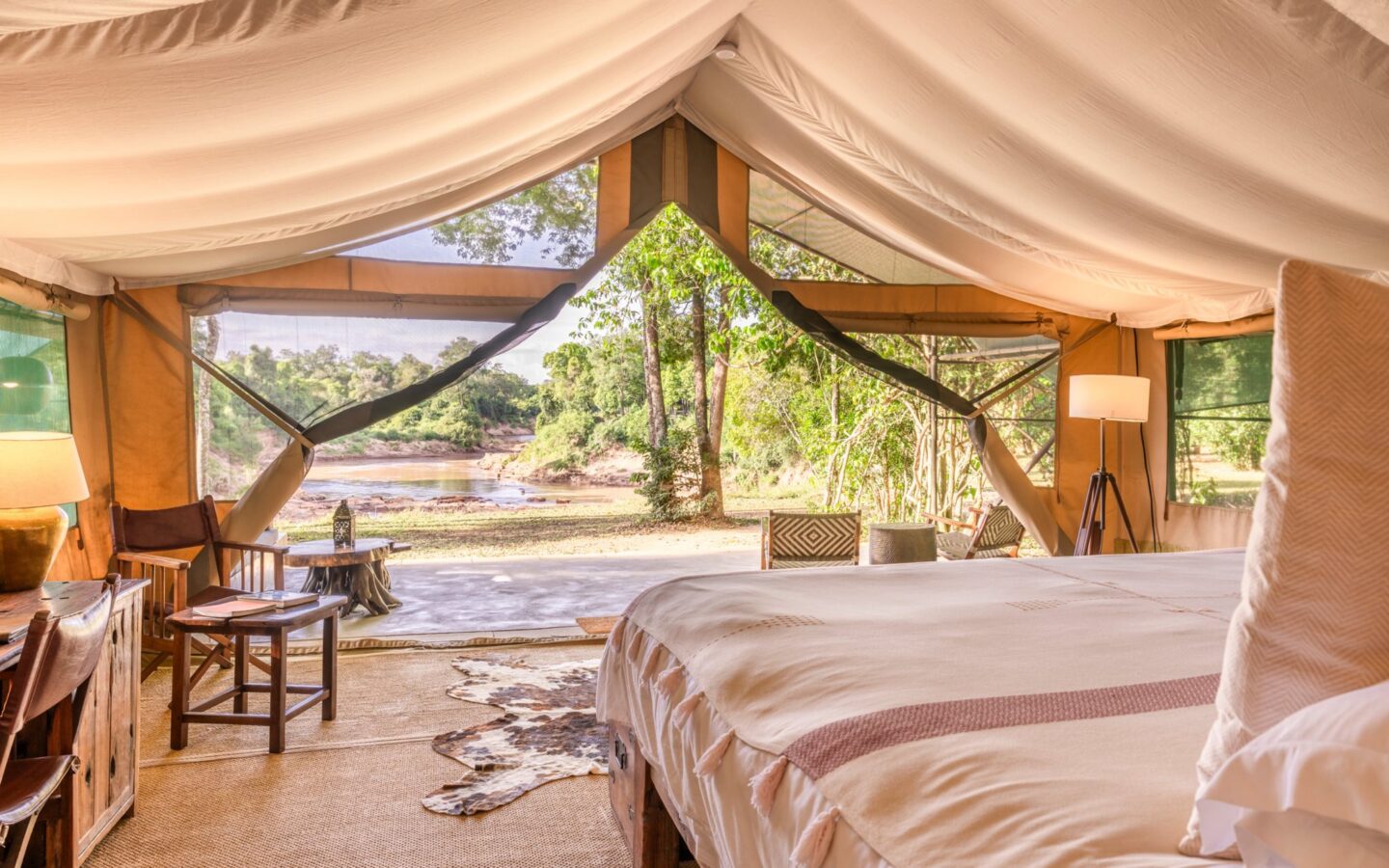
The best properties become part of the destination.
Look for:
- Forest or mountain views
- Thoughtful service
- Comfortable rooms
- Excellent food
- Spa facilities where available
- Fireplaces or outdoor lounges
- Convenient access to trekking areas
- Strong conservation practices
The goal is not simply to have somewhere to sleep.
It is to have somewhere worth staying.
Private Guiding
Private guiding allows the safari to adapt to you.
Perhaps photography is your priority.
Perhaps you want to learn about primate behavior.
Perhaps you prefer a slower game-drive rhythm.
Perhaps you want more time at a particular sighting.
A private guide can shape the experience around those preferences.
The Road Journey Is Part of Uganda
Uganda’s landscapes change dramatically as you travel.
Tea plantations.
Rolling hills.
Tropical forest.
Wetlands.
Savannah.
Mountain ranges.
The road itself becomes part of the safari.
A scenic drive can provide a glimpse into rural life that you would miss from an aircraft.
For longer connections, regional aviation can sometimes be considered where practical.
Scenic Flights
Domestic and regional flights can reduce long road transfers on selected routes.
They can be particularly useful when combining distant regions.
However, not every itinerary requires flying.
Road travel can provide a more immersive perspective.
The right balance depends on your priorities, budget, schedule and the actual flight network available for your dates.
Conservation and Responsible Primate Tourism
Gorilla and chimpanzee tourism is closely connected to conservation.
Tourism revenue can support protected areas, local employment and conservation programs.
Visitors also contribute through permits and associated tourism fees.
Responsible trekking matters.
Follow your guides.
Keep appropriate distances.
Do not touch wildlife.
Avoid visiting when sick according to current park guidance.
And respect the forest.
What Should You Pack?
Primate trekking requires a slightly different packing list from a conventional safari.
For the Forest
- Waterproof hiking shoes
- Long trousers
- Long-sleeved shirts
- Lightweight rain jacket
- Warm layer
- Gardening-style gloves if recommended
- Hat
- Small backpack
For Safari
- Neutral clothing
- Comfortable walking shoes
- Sunglasses
- Sunscreen
- Binoculars
- Camera
Essentials
- Insect repellent
- Personal medication
- Reusable water bottle
- Travel documents
Weather can change quickly in forest environments.
Who Is a Uganda Primate Safari For?
Uganda works particularly well for travelers who enjoy active experiences.
It can be ideal for:
- Couples
- Honeymooners
- Wildlife enthusiasts
- Photographers
- Primate lovers
- Families with older children
- Adventure travelers
- Experienced safari travelers
It is less about watching from a vehicle all day.
It is about entering the ecosystem.
Uganda for Honeymooners
There is something inherently intimate about a forest safari.
Wake to birdsong.
Walk through the rainforest together.
Share the excitement of seeing chimpanzees.
Spend an afternoon relaxing at the lodge.
Then enjoy dinner overlooking the forest.
A luxury Uganda safari can be adventurous without losing its romantic side.
Uganda for Families
Families with older children and teenagers can find the combination especially rewarding.
Gorilla and chimpanzee experiences can create powerful educational moments.
Wildlife drives provide variety.
Boat trips offer a change of pace.
Private guiding allows the itinerary to be adjusted around family energy levels.
Age and permit requirements should always be confirmed for specific trekking experiences.
Uganda for Photographers
Uganda presents a fascinating photographic challenge.
Forest photography is very different from savannah photography.
Light can be low.
Vegetation can be dense.
Animals move through shadows.
Then suddenly the landscape opens.
A good guide can help you anticipate movement and find better opportunities.
How Many Days Do You Need?
Nine days provides an excellent framework for a primate-focused luxury journey.
It can allow enough time for:
- Chimpanzee trekking
- Gorilla trekking
- Wildlife viewing
- Boat experiences
- Luxury accommodation
- Scenic travel
- Relaxation
Longer trips can add Murchison Falls, Kibale extensions or additional wildlife destinations.
A Typical Luxury Journey
A well-balanced route might move through:
Entebbe
↓
Kibale
↓
Queen Elizabeth
↓
Bwindi
↓
Entebbe
The exact order depends on road conditions, accommodation and permit availability.
The journey should be designed around the trekking dates first.
Why Beaumont Tours?
A Uganda primate safari requires careful coordination.
Gorilla and chimpanzee permits must align with travel dates.
Trekking locations need to match accommodation.
Road transfers need to be realistic.
And the luxury experience should remain seamless around the active parts of the trip.
Beaumont Tours can bring these elements together into a tailored journey.
Explore the Uganda Primate Sanctuaries & Elite Wildlife Encounters.
Continue with Best Places for a Luxury Primate Safari in Uganda and How to Plan a 9-Day Luxury Uganda Primate Safari.
Frequently Asked Questions
Is Uganda good for a luxury primate safari?
Yes. Uganda combines gorilla and chimpanzee trekking with luxury accommodation, wildlife viewing, conservation experiences and scenic landscapes.
Where can I see gorillas in Uganda?
Mountain gorilla trekking takes place in Bwindi Impenetrable National Park and Mgahinga Gorilla National Park.
Where is the best place for chimpanzee trekking in Uganda?
Kibale National Park is particularly well known for chimpanzee trekking and its diverse primate population.
Is gorilla trekking guaranteed?
No. Gorillas are wild animals and encounter conditions cannot be guaranteed.
How difficult is gorilla trekking?
Difficulty varies according to terrain, weather and the location of the gorilla group being tracked.
Is Uganda suitable during the green season?
Yes. The landscape can be exceptionally lush, although rainfall may affect trails and road conditions.
Can I combine gorillas with a traditional safari?
Yes. Queen Elizabeth National Park is a natural addition to a primate-focused itinerary.
Can I visit the Kazinga Channel?
Yes. Boat trips on the Kazinga Channel can be incorporated into suitable Queen Elizabeth itineraries.
Can children go gorilla trekking?
Age requirements and regulations apply and should be confirmed for the specific trekking experience before booking.
Can I add Murchison Falls?
Yes. Longer Uganda itineraries can include Murchison Falls National Park.
The Forest Is Calling
A Uganda primate safari changes the way you experience Africa.
You do not simply observe the forest from a vehicle.
You walk into it.
You listen.
You follow tracks.
You look upward.
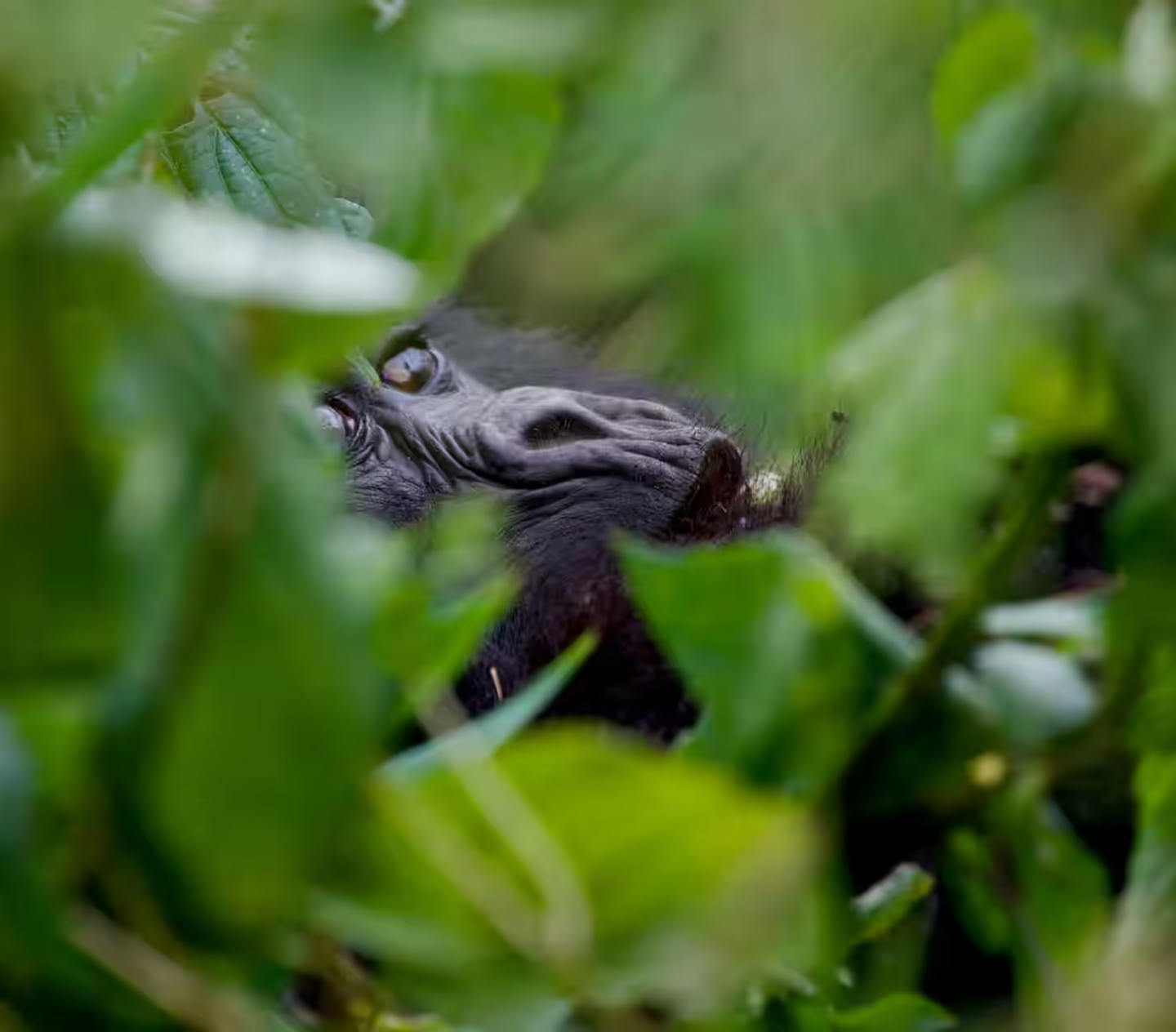
And sometimes, through a gap in the vegetation, the forest reveals something extraordinary.
A chimpanzee in the canopy.
A gorilla moving quietly through the undergrowth.
A family group watching from the trees.
Then you return to your lodge, surrounded by the sounds of the rainforest.
Discover Beaumont Tours’ Uganda Primate Sanctuaries & Elite Wildlife Encounters.