

Mara River Crossing Safari: How to Experience One of Africa’s Greatest Wildlife Spectacles
Few moments in the natural world carry the anticipation of a Mara River crossing safari.
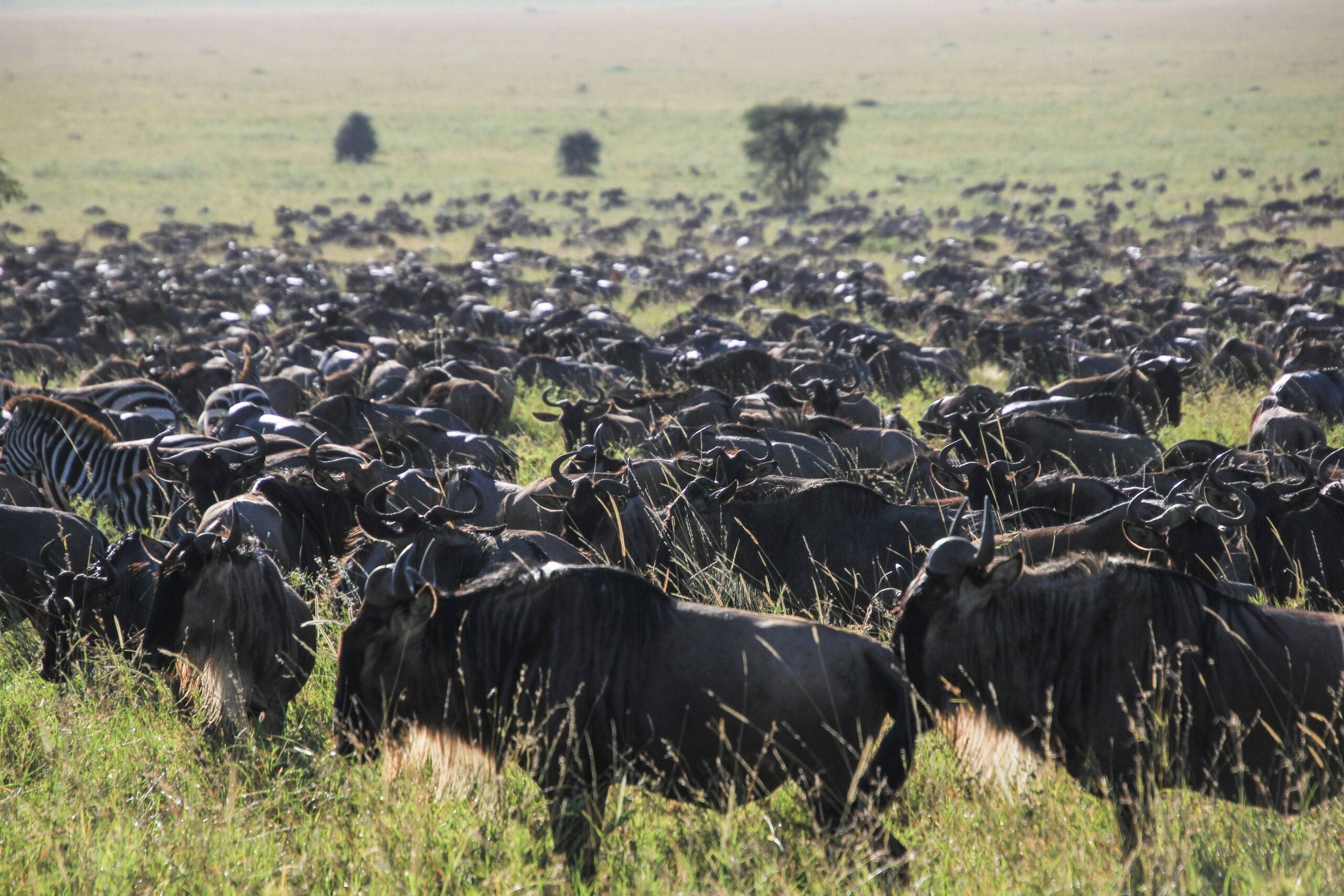
Thousands of wildebeest gather along the banks of the Mara River. Zebra move among them. Crocodiles wait below the surface. Predators patrol nearby.
Then, after an uncertain period of waiting, the herd begins to move.
The river crossing is one of the most dramatic chapters of the Great Migration, but experiencing it well requires something that cannot be purchased: patience.
What Happens During a Mara River Crossing?
The Great Migration is the continuous movement of wildebeest, zebra and other grazing animals across the Serengeti-Mara ecosystem.
When the herds reach the Mara River, they face a significant natural obstacle.
The river can be deep, its banks can be steep and crocodiles inhabit the water.
The animals may gather for hours before anything happens.
Sometimes a small group approaches the edge and retreats. On another occasion, thousands may suddenly enter the water.
When a crossing finally begins, the scene can be extraordinary.
Dust rises from the riverbank, animals push through the water and the sound of the herd fills the surrounding landscape.
Can You Guarantee a Mara River Crossing?
No.
This is one of the most important things travellers should understand before booking a migration safari.
A river crossing is a wild event. The animals decide when and where to cross, while weather, water levels, predators and herd behaviour can influence their movements.
No responsible safari operator can guarantee a crossing on a specific day.
The objective of a well-planned safari is instead to maximise your opportunity.
That means staying in the right region, allowing sufficient time and travelling with experienced guides who monitor wildlife activity.
Why Stay in the Northern Serengeti?
The Northern Serengeti is strategically positioned along the migration route toward the Mara River.
Staying here can reduce the distance between your camp and potential crossing areas. It also allows your safari team to respond when the herds move.
This is why a multi-night stay can be much more valuable than arriving for a single game drive.
The Northern Serengeti also offers excellent resident wildlife, meaning your safari remains rewarding even when the herds are elsewhere.
What Does a Day Around the Mara River Look Like?
A migration day often begins early.
After coffee and a light breakfast, you leave camp with your private guide and head toward the river.
The rest of the day remains flexible.
You may spend time observing wildebeest gathering along the banks. You may follow other wildlife while waiting for the herds. Or your guide may recommend moving to another area based on current wildlife activity.
A picnic breakfast or lunch allows you to remain in the wilderness rather than returning to camp.
If a crossing begins, everything changes.
Your guide positions the vehicle carefully while respecting wildlife and park regulations. The priority is to observe without interfering with the animals.
Wildlife Beyond the River Crossing
The Mara River crossing may be the headline, but the Northern Serengeti is an extraordinary wildlife destination throughout the year.
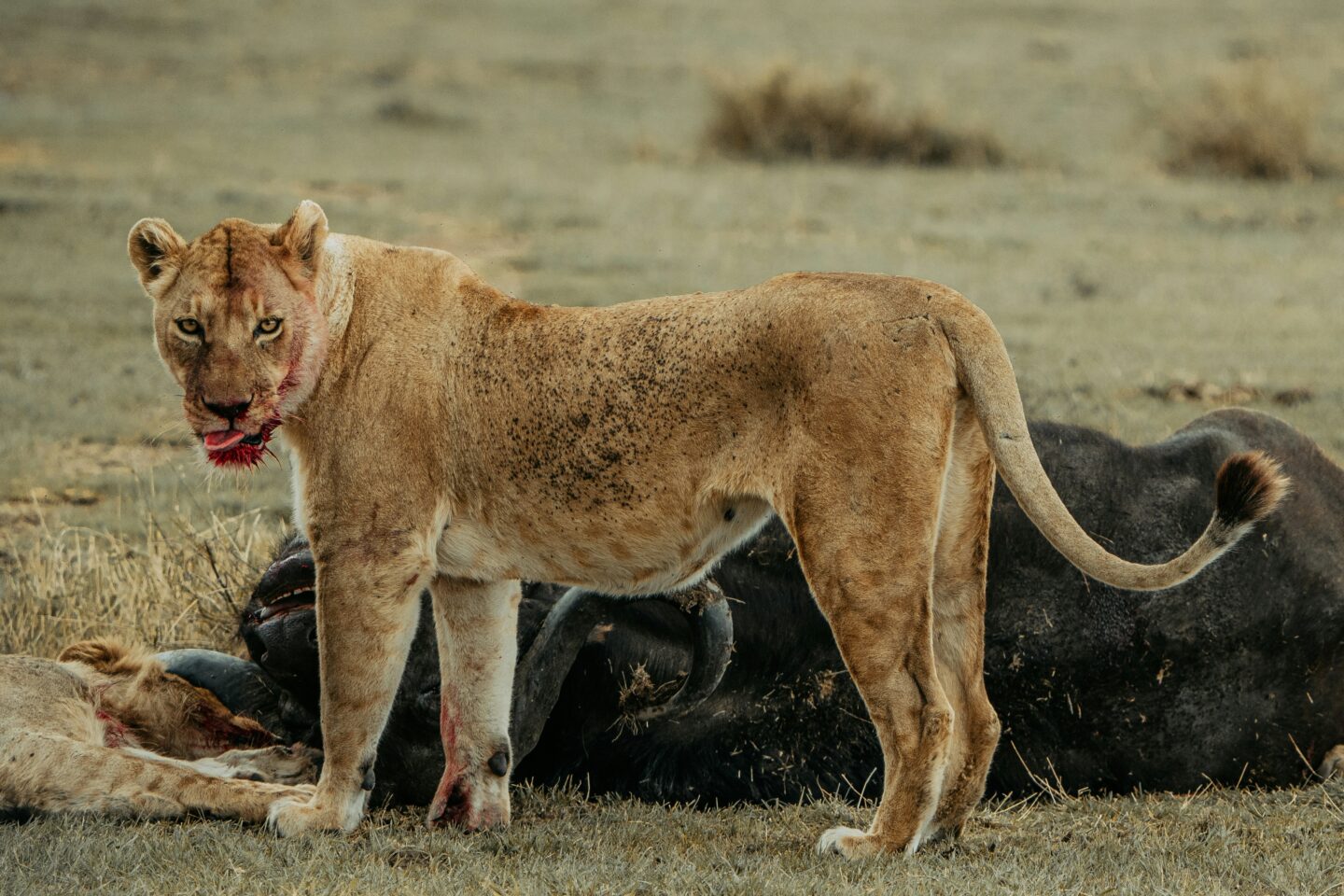
Large prides of lions inhabit the ecosystem. Leopards can be found around riverine vegetation, while cheetahs favour open areas where they can use their speed.
Elephants, giraffes, buffalo, hippos and numerous antelope species add to the diversity.
This matters because your safari does not depend entirely on witnessing a crossing.
Even if the wildebeest remain on the opposite bank, you can still experience exceptional wildlife.
Choosing the Right Accommodation
Where you stay can make a significant difference.
Sayari Camp provides access to the Northern Serengeti while offering a comfortable and intimate base between game drives.
On the Kenyan side, Entim Mara Camp, located along the Mara River, offers another excellent perspective on the migration ecosystem.
Combining both regions can create a richer safari experience, allowing you to experience the migration from both Tanzania and Kenya.
Beaumont Tours’ 10 Days Luxury Migration Safari is designed around this broader approach, combining luxury accommodation, scenic bush flights and time in the migration regions.
How to Maximise Your Chances
The most important advice is simple: allow time.
Stay multiple nights in the migration zone. Travel with an experienced guide. Keep your schedule flexible. Avoid trying to predict nature too precisely.
Bring binoculars and a camera, but remember that the best safari moments are often the ones where you simply stop and watch.
A crossing may happen quickly, while the build-up can occupy an entire day.
That uncertainty is part of its magic.
The Memory That Remains
Long after the safari is over, you may not remember exactly which vehicle you were sitting in or what time you left camp.
You will remember the moment the herd finally moved.
You will remember the dust, the sound of thousands of hooves, the tension on the riverbank and the extraordinary realisation that you were witnessing an event that has unfolded across this ecosystem for generations.
That is the true appeal of a Mara River crossing safari.
You are not watching a performance.
You are watching nature make its own decisions.
Frequently Asked Questions
When is the best time for the Mara River crossing?
River crossings are generally associated with the period when migrating herds reach the Northern Serengeti and Maasai Mara, often during the later part of the dry season. Exact timing varies from year to year.
Where is the best place to see a Mara River crossing?
The Northern Serengeti and Maasai Mara both provide opportunities. Your exact location should be determined according to current wildlife movements and your travel dates.
How long does a Mara River crossing last?
There is no standard duration. A crossing can happen quickly, while the build-up and waiting period may last for hours.
Can children go on a Mara River crossing safari?
Yes, although age requirements and suitability vary between camps and activities. Families should discuss their itinerary with a safari specialist before travelling.
What should I bring on a migration safari?
Lightweight clothing, sun protection, binoculars, a camera, comfortable walking shoes and a soft-sided bag suitable for bush flights are useful. Your safari specialist can provide destination-specific packing guidance.
Is the Great Migration worth visiting if I don’t see a river crossing?
Absolutely. The Serengeti and Maasai Mara offer exceptional wildlife throughout the year. Lions, elephants, leopards, cheetahs, buffalo and many other species can make the safari extraordinary even without witnessing a crossing.
INTERNAL LINK:
Link to Beaumont Tours’ 10 Days Luxury Migration Safari page using an anchor such as luxury Great Migration journey through Tanzania and Kenya.