

How to Plan the Perfect Family Safari in Kenya
Why Choose a Private Family Safari?
A private safari gives families greater control over the experience.
You are not following another group’s timetable. Your guide can adjust the day according to your family’s energy levels and interests.
If everyone wants an early start for sunrise, you can leave early.
If the children need a slower morning, breakfast can take its time.
If you discover an extraordinary wildlife sighting, you can stay with it longer.
This flexibility can make a significant difference when travelling with children.
How Many Days Should a Family Safari Be?
There is no universal answer, but around 8 to 12 days can provide an excellent balance for many families.
A trip of this length can allow enough time for:
- Two or three safari regions
- Several full game-drive days
- Conservation or cultural experiences
- Relaxation at the lodge
- Comfortable transfers between destinations
An 11-day safari can be particularly effective because it offers room for variety while avoiding the feeling of constantly moving.
The itinerary should always be built around quality rather than quantity.
Choose Destinations Based on Your Family
The right destinations depend on your children’s ages and interests.
Maasai Mara
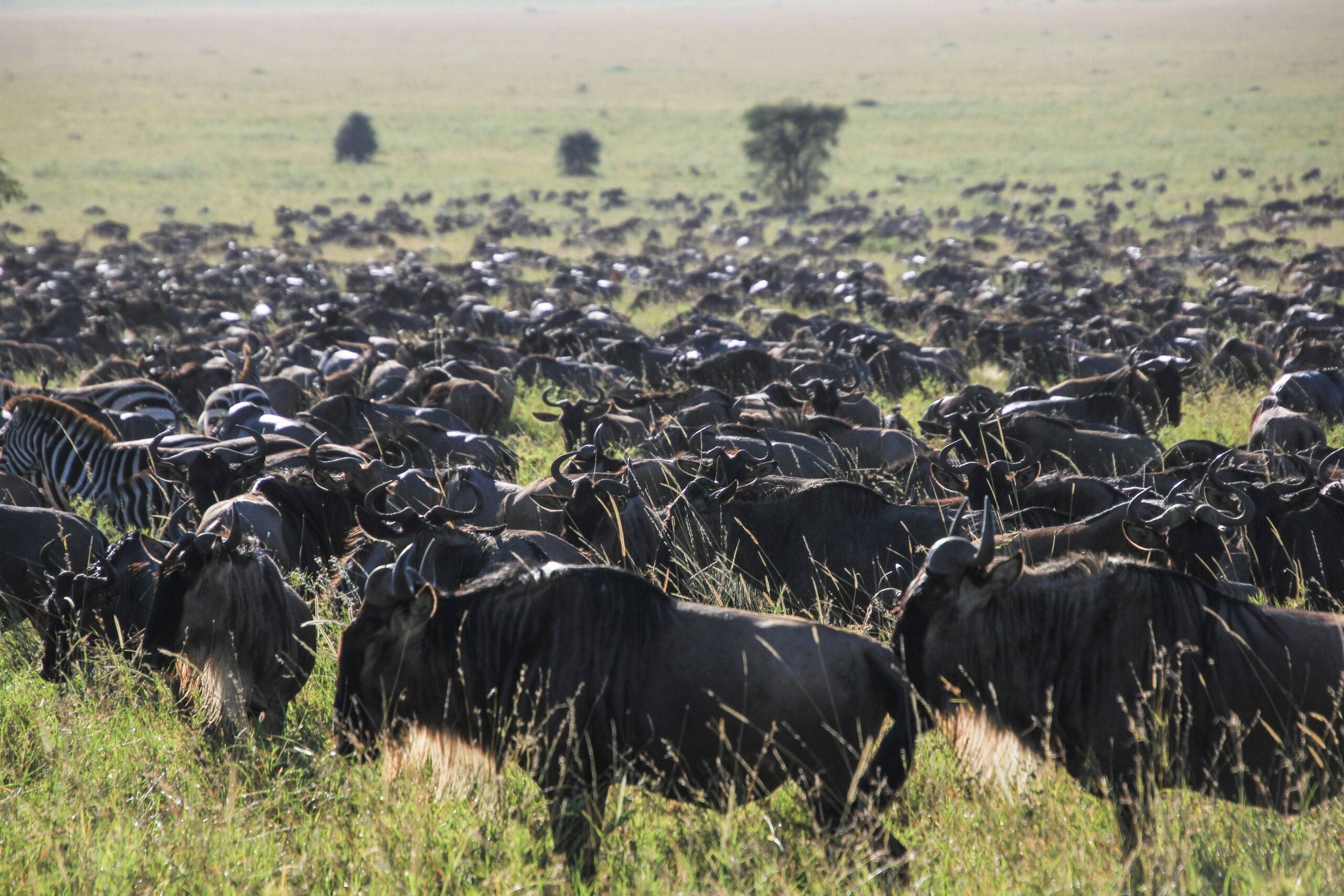
Choose the Mara for classic safari experiences and exceptional wildlife viewing.
Amboseli
Choose Amboseli for elephants, open landscapes and views of Mount Kilimanjaro.
Laikipia
Choose Laikipia for conservation, private conservancies and a wider range of activities.
Ol Pejeta
Choose Ol Pejeta for rhino conservation and educational wildlife experiences.
The strongest family itineraries often combine contrasting destinations rather than visiting several places that offer essentially the same experience.
Consider Your Children’s Ages
Children experience safari differently at different ages.
Younger Children
Younger travellers may benefit from shorter game drives, flexible meal times and plenty of time at the lodge.
The safari should include opportunities to relax rather than filling every hour with activities.
School-Age Children
School-age children often enjoy learning about animal behaviour, tracks and birds.
A wildlife checklist or journal can make game drives more interactive.
Teenagers
Teenagers may appreciate photography, conservation, walking experiences and more adventurous activities where appropriate.
They can also become highly engaged when guides explain how wildlife tracking actually works.
Choose the Right Accommodation
The right camp or lodge can elevate the entire family experience.
When comparing properties, consider:
- Family rooms or suites
- Connecting rooms
- Minimum age requirements
- Children’s activities
- Swimming facilities
- Meal flexibility
- Private dining
- Babysitting options
- Private vehicles
- Walking activities
- Family-friendly guides
Luxury accommodation should provide more than beautiful surroundings.
It should make family travel feel comfortable and uncomplicated.
Private Vehicles Are Worth Considering
For families, a private safari vehicle can be one of the most valuable elements of the trip.
It gives your family freedom to decide when to leave, how long to stay at wildlife sightings and when to return to camp.
It also creates a more personal relationship with your guide.
Children can ask questions throughout the drive without worrying about disturbing other guests.
Over several days, the guide can learn what fascinates each child and adapt the experience accordingly.
Plan the Right Amount of Game-Drive Time
A common mistake is assuming that more game-drive hours automatically mean a better safari.
It does not.
Children need variety.
A good family itinerary can balance game drives with:
- Bush breakfasts
- Swimming
- Nature walks where appropriate
- Conservation visits
- Cultural experiences
- Photography
- Time at camp
- Stargazing
Some of the best family memories may happen outside the safari vehicle.
Make Conservation Part of the Journey
Children often connect strongly with conservation when they can see how it works in real life.
A visit to a conservation-focused property can introduce them to:
- Rhino protection
- Habitat preservation
- Anti-poaching efforts
- Community partnerships
- Wildlife research
- Endangered species
This helps transform the safari from a wildlife-viewing holiday into a deeper understanding of Kenya’s natural heritage.
Include a Cultural Experience
A carefully planned cultural experience can give families another perspective on Kenya.
Depending on the destination and community, this may include learning about local traditions, meeting community members, exploring crafts or hearing stories about life near wildlife areas.
The experience should be respectful, authentic and focused on genuine interaction rather than performance for tourists.
For children, meeting people from a different cultural background can become one of the most meaningful parts of the journey.
Think About Travel Between Destinations
Kenya’s safari regions are spread across a large area.
Long road transfers can take up valuable time and may be tiring for families.
Where appropriate, regional bush flights can provide a more efficient connection between safari areas.
They also add another sense of adventure.
Seeing the landscape from above offers a completely different perspective on Kenya’s vast wilderness.
Flight schedules and baggage allowances should always be considered when building the itinerary.
When Is the Best Time for a Family Safari in Kenya?
Kenya can offer rewarding safari experiences throughout much of the year.
The ideal timing depends on the destinations you choose, wildlife interests and tolerance for different weather conditions.
Families often prioritise periods with comfortable conditions and strong wildlife viewing, but there can be advantages to travelling during different seasons.
The most important thing is to match the timing with the experience you want.
A knowledgeable safari planner can help determine which regions work best for your travel dates.
What Should Families Pack?
Packing for a Kenyan safari should be practical rather than excessive.
Useful items include:
- Lightweight clothing
- A warm layer for early mornings
- Comfortable walking shoes
- Sun protection
- Sunglasses
- Insect repellent
- Reusable water bottles
- Binoculars
- Camera equipment
- Small backpacks
- Personal medication
For children, consider adding a wildlife journal, colouring materials or a simple field guide.
The aim is to keep luggage manageable while making sure everyone has what they need.
How to Keep Children Engaged on Safari
Wildlife viewing becomes even more exciting when children have something to look for.
Before the trip, create a simple wildlife checklist.
During game drives, encourage children to:
- Identify animal tracks
- Count different bird species
- Photograph wildlife
- Look for animal behaviour
- Learn the names of trees
- Ask the guide questions
- Keep a safari journal
A good guide can turn these simple activities into a fascinating introduction to ecology.
Build in Time for Relaxation
A family safari should not feel like a race.
Allow time to enjoy the camp.
Perhaps that means swimming after a morning drive, reading together on a shaded terrace or enjoying an afternoon snack before heading out again.
Parents often appreciate these quiet moments as much as the wildlife sightings.
The rhythm of safari is part of the luxury.
A Sample 11-Day Family Safari Structure
A well-planned 11-day journey could follow a rhythm such as:
Days 1 to 2: Arrive and settle into the safari environment.
Days 3 to 5: Explore a major wildlife destination with private game drives.
Days 6 to 8: Continue to a contrasting safari region, adding conservation or cultural experiences.
Days 9 to 10: Enjoy further wildlife viewing alongside relaxed family time.
Day 11: Final safari experience and onward travel.
The exact routing should depend on the season, accommodation availability, children’s ages and family interests.
This is why a tailored itinerary is generally more effective than trying to reproduce a generic family safari schedule.
Why Luxury Makes a Difference
Luxury family travel is ultimately about removing unnecessary friction.
It means having someone who understands the logistics.
It means arriving at a beautiful camp where everything has been thoughtfully prepared.
It means a guide who knows when the children are fascinated and when they need a break.
It means returning from a game drive to a comfortable room, a refreshing drink and a little time to relax.
These details may seem small, but together they transform the experience.
Planning Your Family Safari With Beaumont Tours
A private family safari should feel personal from the beginning.
At Beaumont Tours, the journey can be shaped around your family rather than forcing your family into a predetermined itinerary.
The objective is to combine exceptional wildlife with carefully selected accommodation, private guiding, comfortable connections and experiences that bring everyone into the journey.
Our 11 Days Family Private Safari Adventure is designed for families seeking an immersive Kenyan safari with the flexibility and comfort of a private experience.
For additional inspiration, explore:
Together, these guides can help you decide where to go, how long to stay and how to create a safari that works for every generation.
Frequently Asked Questions
Is Kenya safe for a family safari?
Kenya is an established safari destination with experienced guides, professional tourism operators and well-developed safari infrastructure. Families should still follow their guide’s advice and use a reputable safari operator.
What age can children go on safari?
Children can experience safari at different ages, but accommodation and activity policies vary. Some properties have minimum age requirements for walking safaris and other activities.
Is a private safari better with children?
For many families, yes. A private safari provides greater flexibility over schedules, game drives and activities, making it easier to adapt the journey to children’s needs.
How long should a Kenya family safari last?
An itinerary of around 8 to 12 days can work well for many families. An 11-day itinerary provides enough time for several experiences without requiring constant travel.
Can children go on game drives?
Yes, although age policies and recommended drive lengths vary by property. Private guiding allows the experience to be adapted more easily.
Should we choose a private vehicle?
Families often benefit from a private vehicle because it provides greater flexibility and allows the guide to tailor the experience to the family’s interests.
Can we combine a Kenya safari with a beach holiday?
Absolutely. A safari can be followed by time on Kenya’s Indian Ocean coast, creating a natural transition from adventure to relaxation.
What is the best safari destination for children?
The answer depends on age and interests. The Maasai Mara is excellent for classic wildlife viewing, Amboseli is renowned for elephants, and Laikipia and Ol Pejeta offer particularly strong conservation experiences.
Your Family Adventure Starts Here
The best family safari is not simply about ticking animals off a list.
It is about watching your children discover something completely new.
It is the first time they see an elephant in the wild. The excitement when a guide points out tracks in the sand. The laughter after a day in the bush. The quiet conversations beneath an African sky.
Those are the moments that turn a holiday into a family story.
Explore the 11 Days Family Private Safari Adventure and begin creating your own.