

Great Migration in the Maasai Mara: When and Where to See It
What Is the Great Migration?
The Great Migration is one of the most extraordinary wildlife movements on Earth.
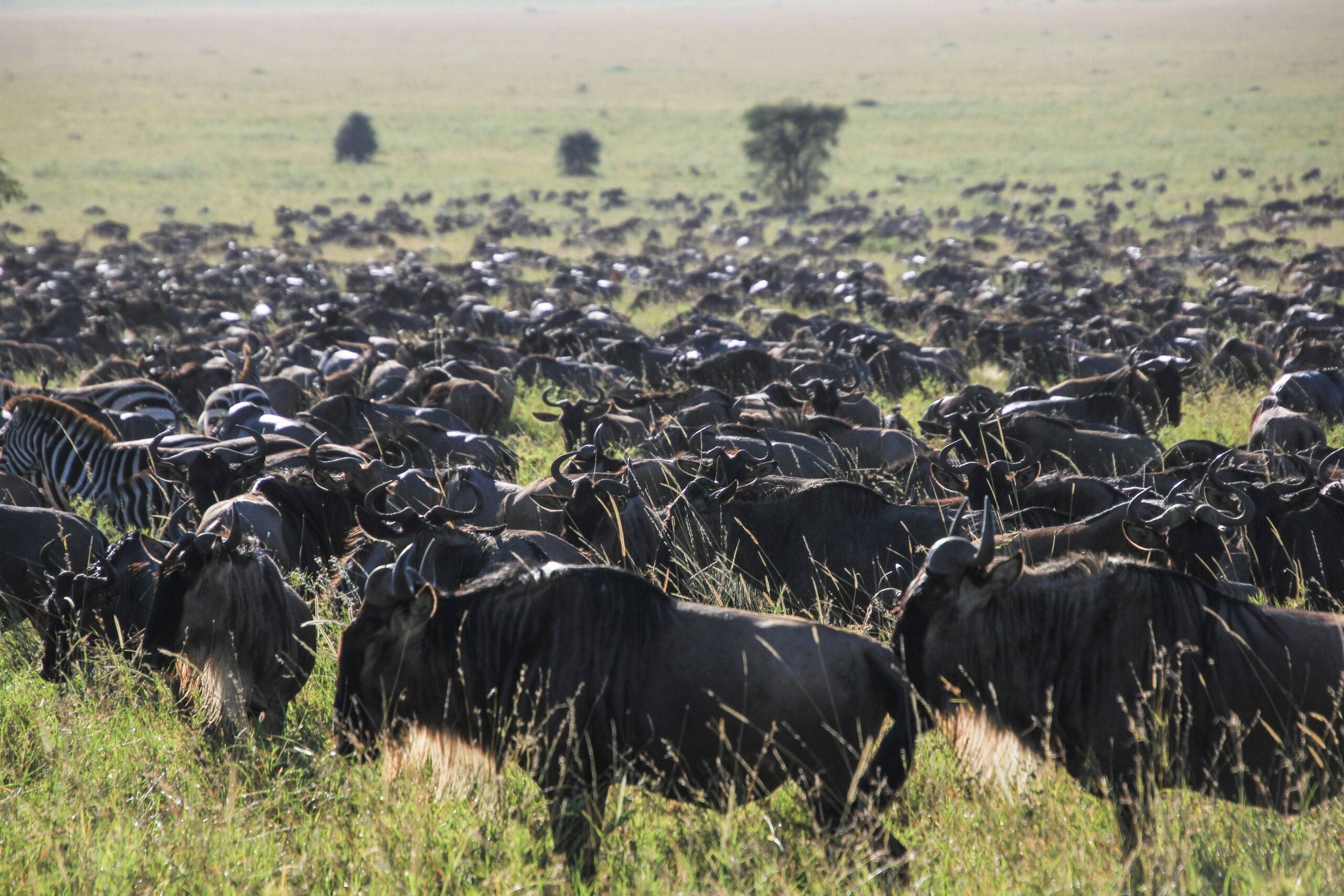
Across the Serengeti-Mara ecosystem, enormous herds of wildebeest, zebra and other grazing animals move in response to rainfall and the availability of fresh grass.
Predators follow.
Lions, cheetahs, leopards and hyenas take advantage of concentrations of prey.
Crocodiles wait in waterways.
Birds gather around the activity.
The result is not a single event.
It is a constantly changing ecological process.
That distinction is important when planning a Great Migration Maasai Mara safari.
There is no official start date.
There is no guaranteed river crossing.
There is no way to predict exactly where the largest herds will be on a particular morning.
What you can do is choose the right season, stay for enough nights and work with experienced guides who understand the ecosystem.
For travelers seeking a luxury experience, Beaumont Tours offers a 6 Days Masai Mara Great Migration Luxury Safari Fly-In.
The Serengeti-Mara Ecosystem
The Maasai Mara does not exist in isolation.
It forms part of a much larger ecosystem extending south into Tanzania’s Serengeti.
The herds move across this landscape according to environmental conditions.
This is why the phrase „Great Migration“ can be misleading if you imagine the animals traveling according to a fixed route.
Their movements are fluid.
Rainfall changes.
Grass grows.
Water availability shifts.
The animals respond.
That is what drives the spectacle.
When Is the Great Migration in the Maasai Mara?
The Maasai Mara is traditionally associated with the northern portion of the migration cycle during the later part of the annual movement.
However, the timing varies.
In some years, the herds may enter the Mara earlier.
In others, movements may occur later.
Rainfall can influence how quickly animals move between grazing areas.
For travelers planning specifically around the migration, flexibility is therefore valuable.
Rather than selecting one precise week based on a guarantee, consider a broader seasonal window and work with a safari specialist who can advise based on recent conditions.
Why the Timing Changes Every Year
Nature does not operate according to a tourism calendar.
The migration is primarily a response to food and water.
Rainfall determines where fresh grass emerges.
The herds follow.
If rains arrive early, movement can change.
If conditions remain dry, animals may remain in an area longer.
This is why historical patterns are useful for planning but cannot guarantee what will happen during your specific trip.
A responsible safari operator should explain this clearly.
The Mara River Crossings
Few wildlife experiences are as famous as the Mara River crossings.
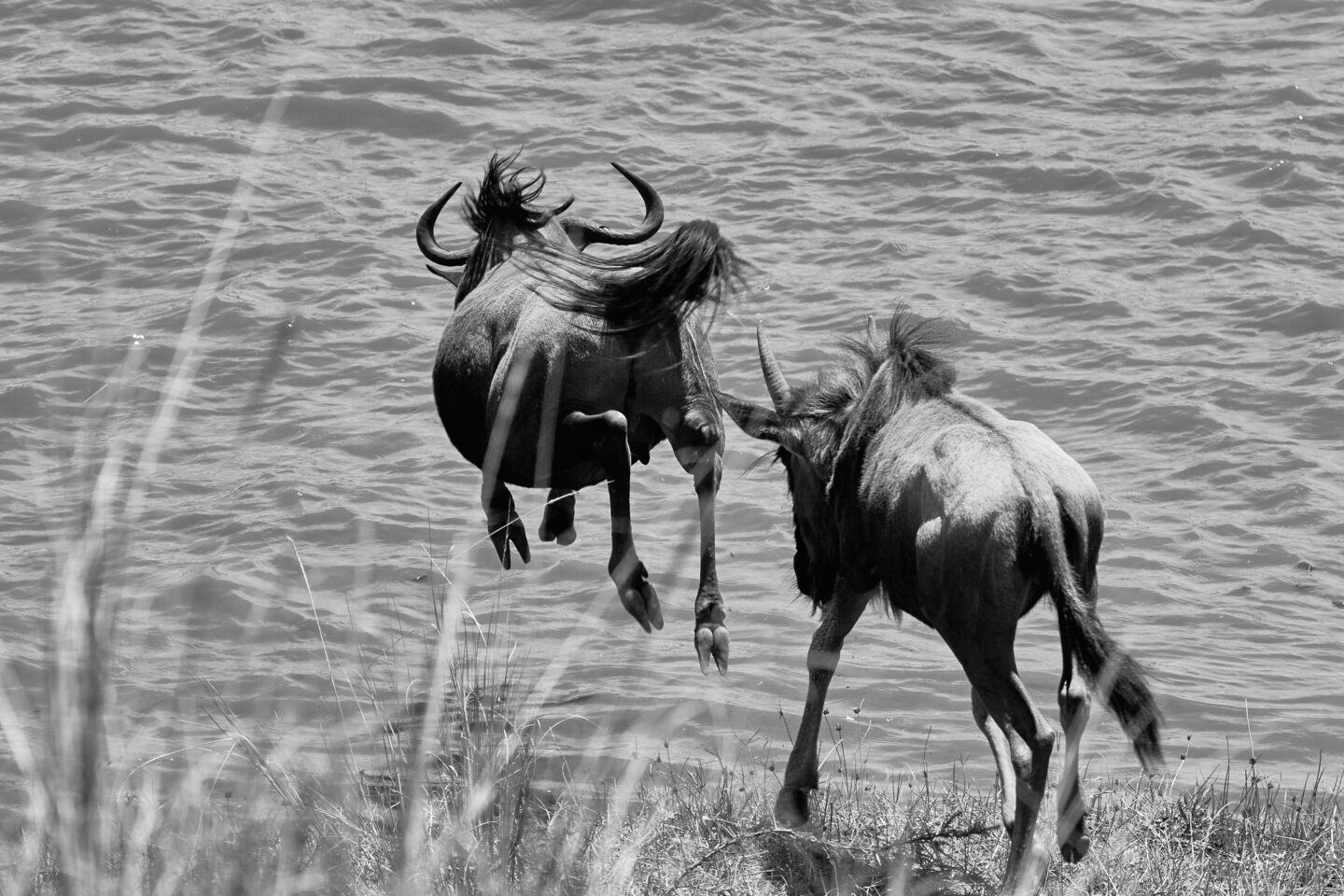
Large herds may gather along the river.
The animals hesitate.
One begins moving.
Then another.
Suddenly, hundreds or thousands can surge forward.
The scene can be extraordinary.
But it is also unpredictable.
Herds may gather for hours.
They may move away.
They may cross at another location.
A crossing may happen when you are somewhere else in the reserve.
Or there may be no major crossing during your stay.
That uncertainty is part of the nature of the event.
How Can You Improve Your Chances of Seeing a Crossing?
There is no guaranteed strategy.
However, several planning decisions can help.
Stay Multiple Nights
More time means more opportunities.
A six-day itinerary gives you considerably more flexibility than a short two- or three-night stay.
Choose Your Camp Carefully
Location matters.
Camps positioned in productive areas can reduce unnecessary travel and provide better access to different parts of the ecosystem.
Use Experienced Guides
Local knowledge matters enormously.
Guides communicate with one another and understand the seasonal behavior of the Mara.
Remain Flexible
A rigid schedule can work against you.
If wildlife movements change, your itinerary should be able to adapt.
Why Six Days Makes Sense
If migration is the central reason for your journey, six days offers a valuable balance.
You have enough time to experience multiple game drives.
You can explore different areas.
You have several mornings and afternoons in the field.
You can dedicate time to the migration without ignoring the Mara’s resident wildlife.
And you have enough time to enjoy the luxury side of the journey.
That last point is often overlooked.
A safari should not become a six-day search for one dramatic photograph.
There is beauty in everything between the major sightings.
The Migration Is More Than Wildebeest
Wildebeest are the stars of the migration story, but they share the landscape with countless other species.
You may encounter:
- Zebra
- Thomson’s gazelles
- Topi
- Impala
- Buffalo
- Elephants
- Giraffes
- Lions
- Leopards
- Cheetahs
- Hyenas
- Hippos
- Crocodiles
- Birds of prey
- Migratory and resident bird species
This is why a migration safari is also a classic wildlife safari.
The Mara remains rewarding even when the herds are not directly in front of you.
Predator Action During the Migration
Large concentrations of prey create opportunities for predators.
Lions may follow herds.
Cheetahs can hunt in open areas.
Hyenas patrol the grasslands.
Leopards remain more elusive.
The interaction between predator and prey is one of the reasons the migration is so compelling.
But it is important not to view the ecosystem as a constant spectacle.
Wildlife spends much of its time resting, feeding and moving quietly.
The most rewarding safari experiences often come from understanding these subtler behaviors.
Where Should You Stay?
Accommodation choice is particularly important during migration season.
A luxury camp should offer more than a beautiful room.
Consider:
- Location
- Access to wildlife areas
- Guiding quality
- Vehicle arrangements
- Food
- Service
- Privacy
- Camp atmosphere
- Flight access
Some travelers prefer larger permanent lodges with extensive facilities.
Others prefer intimate tented camps that create a closer connection with the landscape.
There is no universally best option.
The right choice depends on the style of safari you want.
Why Mobile Camps Can Be Attractive
Mobile or seasonal camps can offer a particular advantage during migration-focused travel because their locations may be selected with seasonal wildlife movements in mind.
They can create a more intimate wilderness atmosphere and may appeal strongly to experienced safari travelers.
However, the ideal camp depends on the specific season, location and itinerary.
Your safari specialist should recommend accommodation based on current conditions rather than relying only on a generic „migration camp“ label.
Why Fly Into the Maasai Mara?
A Maasai Mara fly in safari can make sense when migration is the focus.
The reason is simple: time.
Instead of spending much of the first day traveling overland from Nairobi, you can take a regional bush flight toward the Mara.
This can give you more time for game drives and reduce the physical demands of the journey.
It also makes it easier to combine the Mara with other destinations.
Regional flight schedules vary, and flights may operate as scheduled or shared services rather than private charters.
What Does a Typical Migration Day Look Like?
A safari day often begins before sunrise.
You might wake to coffee and a light breakfast before heading into the Mara.
The morning can be spent following wildlife or exploring areas where migration activity has been reported.
Return to camp for breakfast or lunch, depending on the day’s plan.
Then enjoy a slower afternoon.
Later, head back out for another game drive.
As the sun sets, stop for sundowners where appropriate.
The day is not simply about maximizing sightings.
It is about experiencing the landscape at different times of day.
Photography During the Migration
The Great Migration is an extraordinary subject for photographers.
But good photography requires patience.
The best image may not be the biggest herd.
It could be a lone zebra against the horizon.
Dust illuminated by early morning light.
A giraffe silhouetted against the sky.
A predator watching from the grass.
A riverbank filled with anticipation.
A good guide can help position the vehicle thoughtfully while respecting wildlife and other guests.
Responsible Migration Tourism
Large concentrations of wildlife attract large numbers of travelers.
That makes responsible safari behavior particularly important.
Choose operators and camps that emphasize:
- Respectful wildlife viewing
- Appropriate vehicle positioning
- Conservation
- Local employment
- Community benefits
- Responsible waste management
- Minimal environmental impact
Avoid operators who promise guaranteed crossings or encourage reckless driving around wildlife.
The best safari experience is one that leaves the ecosystem as undisturbed as possible.
When Should You Book?
Migration-focused travel is popular.
Luxury camps have limited availability, especially during sought-after seasonal periods.
Advance planning is therefore advisable.
It allows you to coordinate:
- International flights
- Regional bush flights
- Accommodation
- Game-drive arrangements
- Private vehicles
- Special experiences
It also gives your safari specialist more flexibility when choosing the right area and camp.
What Should You Pack?
For a migration safari, pack for cool mornings and warm afternoons.
Bring:
- Lightweight neutral-colored clothing
- Warm fleece or jacket
- Comfortable shoes
- Hat
- Sunglasses
- Sunscreen
- Binoculars
- Camera equipment
- Spare batteries
- Insect repellent
- Personal medications
- Small daypack
If you are traveling by bush aircraft, confirm the current luggage allowance before departure.
Should You Choose a Private Vehicle?
A private vehicle can be especially attractive for migration-focused travel.
It allows greater flexibility over where you go and how long you remain at a sighting.
Photographers often appreciate this freedom.
Couples may prefer the privacy.
Families can adjust the pace around their needs.
Shared vehicles can still provide excellent wildlife experiences, but private arrangements offer greater control.
Is the Great Migration Suitable for First-Time Safari Travelers?
Absolutely.
For a first safari, the Great Migration offers the chance to combine spectacular wildlife concentrations with the broader experience of the Maasai Mara.
However, first-time travelers should understand that the migration is not a continuous spectacle.
There will be quiet drives.
There will be waiting.
There will be moments when the landscape appears empty.
And then suddenly, something extraordinary happens.
That contrast is part of the magic.
Why Beaumont Tours?
Planning a migration safari requires careful coordination.
The best dates are only one part of the equation.
Accommodation location, flight access, guiding and the number of nights all influence your opportunities.
Beaumont Tours designs luxury safari journeys around these details.
Explore the 6 Days Masai Mara Great Migration Luxury Safari Fly-In for a focused journey into the Mara during one of Africa’s most remarkable wildlife spectacles.
For itinerary planning, continue with How to Plan a 6-Day Maasai Mara Great Migration Safari or 6-Day Maasai Mara Great Migration Luxury Safari: The Ultimate Guide.
Frequently Asked Questions
When is the Great Migration in the Maasai Mara?
The Mara is traditionally associated with the later northern phase of the annual migration, but exact timing varies according to rainfall and grazing conditions.
What month is best for the Great Migration?
There is no guaranteed single best month. Travelers should consider a broader seasonal window because migration timing changes each year.
Can I guarantee a Mara River crossing?
No. River crossings are natural events and cannot be guaranteed.
How long should I stay for the Great Migration?
A longer stay provides more opportunities. Six days is a strong format for travelers who want to focus on the migration while also experiencing the broader Mara ecosystem.
Is the Maasai Mara part of the Great Migration?
Yes. The Maasai Mara forms part of the larger Serengeti-Mara ecosystem through which the annual migration moves.
Can I see predators during the migration?
Potentially. Large concentrations of grazing animals can attract predators, but individual sightings are never guaranteed.
Should I stay in a permanent lodge or tented camp?
Both can be excellent. The best choice depends on your preferred level of intimacy, location, facilities and style of safari.
Is flying into the Mara worth it?
For a migration-focused trip, flying can save valuable travel time and allow more time for game drives.
What is the difference between a migration safari and a regular Mara safari?
A migration safari is planned around seasonal movements of large herds, while a regular Mara safari can focus more broadly on resident wildlife and the landscape throughout the year.
The Migration Cannot Be Scheduled
That is perhaps the most important thing to understand.
You cannot order the Great Migration to appear.
You cannot guarantee a crossing.
You cannot predict exactly where the herds will be next Tuesday.
What you can do is travel at a strategically chosen time, stay long enough to create multiple opportunities, choose your camp carefully and work with guides who know the Mara intimately.
That is how you experience the migration on its own terms.