

Best Places for a Luxury Primate Safari in Uganda
Where Should You Go on a Uganda Primate Safari?
Uganda is one of Africa’s most rewarding destinations for travelers fascinated by primates.
But the experience changes dramatically depending on where you go.
Bwindi is about mountain gorillas.
Kibale is famous for chimpanzees and forest primates.
Mgahinga combines gorillas with volcanic scenery.
Queen Elizabeth adds classic wildlife and the Kazinga Channel.
Ishasha brings a quieter wilderness experience.
The right destination depends on what you want to see and how active you want your journey to be.
For a complete luxury journey, explore Beaumont Tours‘ Uganda Primate Sanctuaries & Elite Wildlife Encounters.
Uganda Primate Destinations at a Glance
| Destination | Signature experience | Landscape | Ideal for |
|---|---|---|---|
| Bwindi | Mountain gorilla trekking | Dense rainforest and mountains | Gorilla enthusiasts |
| Mgahinga | Gorilla trekking and volcanoes | Mountain forest | Gorillas + scenery |
| Kibale | Chimpanzee trekking | Tropical rainforest | Primates |
| Queen Elizabeth | Wildlife + Kazinga Channel | Savannah, lakes and wetlands | Primates + classic safari |
| Ishasha | Remote wildlife | Savannah and woodland | Wilderness |
| Murchison Falls | Wildlife + waterfall | Savannah and river | Longer Uganda safari |
This is not a ranking.
Each destination serves a different purpose.
Bwindi Impenetrable National Park
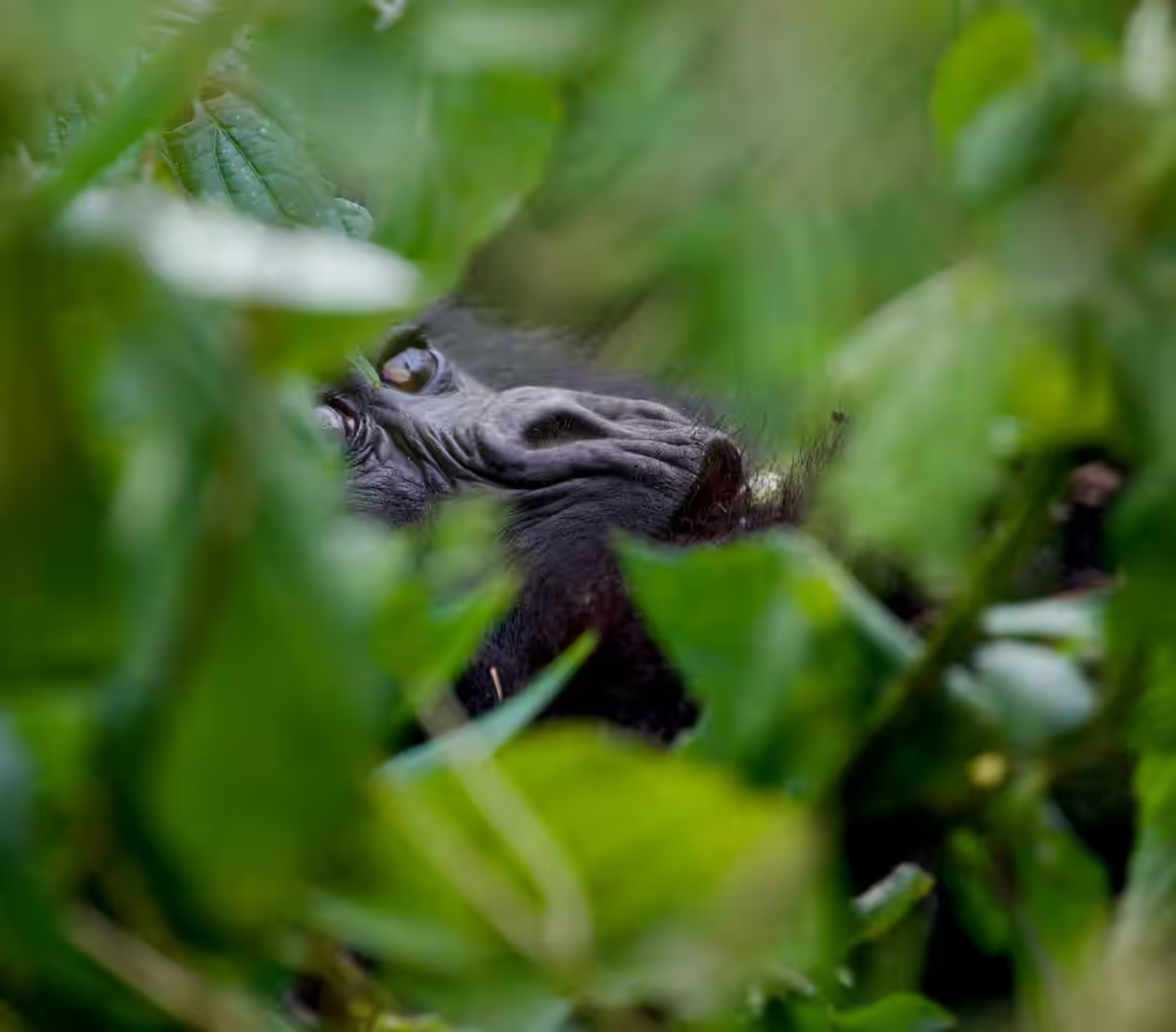
For many travelers, Bwindi is the defining destination.
The forest is dense.
The terrain is mountainous.
And the primary attraction is mountain gorilla trekking.
The experience is active and immersive.
You may spend hours moving through the forest before reaching the gorilla group being tracked.
Once there, the atmosphere can be unforgettable.
No specific encounter can be guaranteed.
Why Choose Bwindi?
Choose Bwindi if your priority is:
- Mountain gorillas
- Rainforest
- Trekking
- Photography
- Immersive wildlife experiences
- Mountain scenery
It works particularly well as the centerpiece of a luxury Uganda safari.
Bwindi and Luxury Accommodation
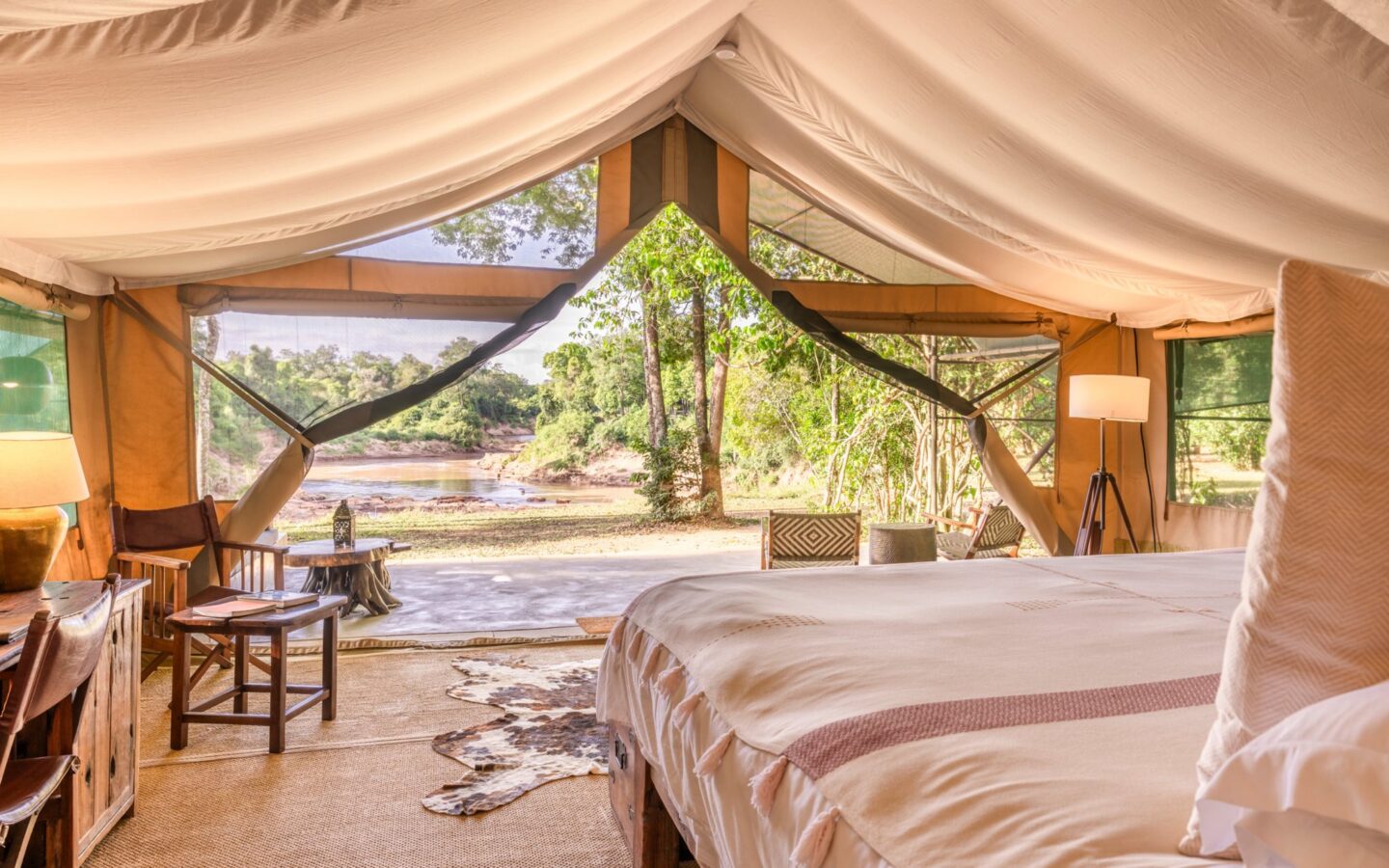
Luxury lodges around Bwindi can turn a physically demanding day into a deeply comfortable experience.
Look for properties with:
- Forest views
- Comfortable rooms
- Excellent food
- Fireplaces
- Spa services where available
- Easy access to trekking points
- Experienced local staff
The lodge becomes part of the adventure.
Mgahinga Gorilla National Park
Mgahinga offers another gorilla trekking environment.
The park forms part of the larger Virunga landscape.
Volcanic peaks rise above the forest.
The scenery is dramatic.
For travelers who want gorillas combined with mountain landscapes, Mgahinga can be particularly appealing.
Why Choose Mgahinga?
Consider Mgahinga if you value:
- Gorilla trekking
- Volcanic landscapes
- Mountain scenery
- Forest hiking
- A smaller-scale wilderness atmosphere
Trekking availability and specific gorilla groups vary.
Kibale National Park
Kibale is one of Uganda’s most important primate destinations.
It is particularly famous for chimpanzees.
The forest is rich in primate diversity.
Depending on the experience and conditions, travelers may encounter several monkey species alongside chimpanzees.
This makes Kibale an essential consideration for anyone interested in primates beyond gorillas.
Why Choose Kibale?
Kibale is ideal for travelers who want:
- Chimpanzee trekking
- Forest walks
- Primate diversity
- Photography
- Birdwatching
- Immersive rainforest experiences
Chimpanzee Trekking
Chimpanzee trekking is different from gorilla trekking.
Chimpanzees can move quickly through the canopy.
They may call from a distance.
They may travel between trees.
The experience can feel energetic and unpredictable.
Your guides and trackers help locate the groups.
Sightings cannot be guaranteed.
Queen Elizabeth National Park
Queen Elizabeth National Park provides the classic safari component.
After spending time in the forest, the landscape opens.
Savannah stretches toward the horizon.
Lakes and wetlands add another dimension.
Wildlife viewing can include:
- Elephants
- Buffalo
- Lions
- Hippos
- Antelope
- Leopards
- Warthogs
- Primates
The Kazinga Channel
A boat trip along the Kazinga Channel provides a different perspective.
Instead of driving through the landscape, you observe wildlife from the water.
Hippos dominate sections of the shoreline.
Elephants may approach the water.
Birdlife is abundant.
The experience is slower and more relaxed than a game drive.
Ishasha
Ishasha occupies the southern section of Queen Elizabeth National Park.
It offers a quieter atmosphere and distinctive scenery.
The region is known for tree-climbing lions, although sightings are not guaranteed.
It can be a rewarding addition for travelers who want a more remote safari experience.
Murchison Falls National Park
Murchison Falls is further north and can be added to a longer Uganda journey.
The Nile cuts through the landscape before forcing its way through a narrow gorge.
The waterfall is dramatic.
The surrounding national park also offers savannah wildlife.
For a nine-day primate-focused trip, adding Murchison Falls may create too much travel.
For longer journeys, it can be worthwhile.
Which Destination Should You Choose?
Start with your main interest.
Gorilla Trekking
Consider Bwindi or Mgahinga.
Chimpanzees
Consider Kibale.
Gorillas + Classic Safari
Combine Bwindi with Queen Elizabeth.
Gorillas + Mountains
Consider Mgahinga.
Primates + Wildlife + Boat Safari
Combine Kibale with Queen Elizabeth.
Longer Uganda Adventure
Consider adding Murchison Falls.
Combining Bwindi and Kibale
For serious primate enthusiasts, combining the two can be particularly rewarding.
Kibale provides chimpanzees.
Bwindi provides mountain gorillas.
The forests are different.
The trekking experience is different.
And together they create a much broader understanding of Uganda’s primate ecosystems.
Combining Primates With Classic Safari
This is where Uganda becomes especially interesting.
You can begin in the forest.
Then move into savannah.
The experience changes from:
Chimpanzees → Gorillas → Elephants → Lions → Hippos
It gives the journey tremendous variety.
Green Season Travel
Uganda’s green season can produce extraordinary landscapes.
Rainforests become intensely green.
Moss and vegetation thrive.
Clouds move across the mountains.
Waterways become more prominent.
The downside is that trails can become muddy and road travel may take longer.
Good planning and appropriate clothing are important.
Luxury During the Green Season
The green season can actually enhance the luxury experience.
After a wet forest trek, returning to a warm lodge feels particularly inviting.
A hot shower.
Dry clothes.
A fireplace.
A good meal.
Perhaps a spa treatment.
The contrast becomes part of the journey.
Best Places for Wildlife Photography
Different destinations offer different photographic opportunities.
Bwindi
Forest portraits and intimate gorilla encounters.
Kibale
Chimpanzees and canopy photography.
Queen Elizabeth
Open landscapes and wildlife.
Kazinga Channel
Hippos, elephants and birdlife.
Ishasha
Savannah and woodland scenery.
Mgahinga
Gorillas against mountain landscapes.
Planning Around Trekking Permits
Gorilla and chimpanzee trekking permits need to be incorporated into the itinerary.
This is one reason primate safaris should be planned before the accommodation and transfers are finalized.
Your trekking date determines where you need to be.
Then the rest of the itinerary can be built around it.
Trekking Fitness
You do not need to be an elite athlete.
But you should be comfortable walking on uneven terrain.
Gorilla trekking can involve:
- Steep slopes
- Mud
- Roots
- Dense vegetation
- Variable distances
The actual duration depends on where the animals are located and local conditions.
Prepare accordingly.
Private Guiding
Private guiding allows the experience to become more personal.
You can ask questions.
Spend time understanding primate behavior.
Focus on photography.
Adjust your game-drive schedule.
And move at a pace that suits you.
Luxury Lodges
Luxury accommodation should be selected according to location as much as facilities.
A beautiful lodge is less useful if it creates unnecessary travel before a very early trekking start.
Prioritize:
- Location
- Trekking access
- Service
- Comfort
- Food
- Atmosphere
- Conservation
How Many Days Do You Need?
A focused nine-day journey can combine two primate destinations with classic wildlife.
Longer trips allow more flexibility.
For example:
9 days: Gorilla + chimpanzee + Queen Elizabeth
12 days: Add more wildlife or Murchison Falls
14+ days: Explore additional regions and include more downtime
A Strong Nine-Day Combination
For the money page’s nine-day positioning, a logical framework is:
Entebbe
↓
Kibale
↓
Chimpanzee trekking
↓
Queen Elizabeth
↓
Wildlife + Kazinga Channel
↓
Bwindi
↓
Gorilla trekking
↓
Return
The exact sequence should be adapted around permits, accommodation and travel logistics.
How Road Travel Fits In
Uganda is a country where the journey between destinations can be part of the experience.
Rolling hills.
Villages.
Tea plantations.
Forest.
Savannah.
Road transfers can be scenic and immersive.
But some routes are long.
A well-designed itinerary should balance scenic travel with comfort.
When to Use Flights
Domestic flights can be useful for travelers who want to reduce long road journeys.
However, flight routes and schedules vary.
For a nine-day journey, road travel may make sense for some connections while aviation may be useful for others.
The decision should be based on the actual itinerary rather than assuming every segment should be flown.
Conservation
Uganda’s primate tourism is connected closely to conservation.
Protected forests provide habitat.
Tourism creates employment.
Permits contribute to the management of protected areas.
Local communities benefit from tourism-related activity.
Travelers can contribute by following trekking rules and choosing responsible operators.
Why Beaumont Tours?
A luxury primate safari involves much more than booking a lodge.
Permits need to align.
Trekking locations need to work with accommodation.
Road transfers need realistic timing.
Wildlife destinations need to complement the primate experiences.
Beaumont Tours can bring the journey together around your interests.
Explore the Uganda Primate Sanctuaries & Elite Wildlife Encounters.
Continue with Luxury Uganda Primate Safari: The Ultimate Guide and How to Plan a 9-Day Luxury Uganda Primate Safari.
Frequently Asked Questions
Where is the best place for gorilla trekking in Uganda?
Bwindi and Mgahinga both offer mountain gorilla trekking. The appropriate choice depends on your preferred landscape, trekking area and travel logistics.
Where is the best place for chimpanzee trekking?
Kibale is one of Uganda’s principal destinations for chimpanzee trekking.
Can I see gorillas and chimpanzees on one trip?
Yes. Bwindi and Kibale can be combined within a single itinerary.
Can I combine primate trekking with a safari?
Yes. Queen Elizabeth National Park provides a natural wildlife extension.
Is Queen Elizabeth worth visiting?
It offers a different side of Uganda, with savannah wildlife, lakes, wetlands and the Kazinga Channel.
Can I see tree-climbing lions in Ishasha?
Ishasha is known for tree-climbing lions, but sightings are not guaranteed.
Is Uganda good during the green season?
Yes. The forests and landscapes can be exceptionally lush, although rain can make trails and roads more challenging.
How far in advance should I plan a gorilla safari?
It is wise to plan early because trekking permits and desirable luxury accommodation have limited availability.
Can I add Murchison Falls?
Yes, particularly if you extend the trip beyond nine days.
Your Uganda Primate Journey
There is no single Uganda safari experience.
There is the misty forest of Bwindi.
The calls of chimpanzees in Kibale.
The volcanic silhouettes around Mgahinga.
The open plains of Queen Elizabeth.
The hippos of the Kazinga Channel.
And the quiet luxury of a lodge waiting at the end of the day.
The best itinerary brings these experiences together without trying to do too much.
Discover Beaumont Tours‘ Uganda Primate Sanctuaries & Elite Wildlife Encounters.