

How to Plan a 9-Day Luxury Uganda Primate Safari
Planning a 9-Day Luxury Uganda Primate Safari
A 9 day Uganda primate safari can deliver an extraordinary amount of variety without becoming unnecessarily long.
In just over a week, you can move from tropical rainforest to open savannah.
You can trek for chimpanzees.
Walk through mountain forest in search of gorillas.
Watch elephants from a safari vehicle.
Cruise along the Kazinga Channel.
And return each evening to an elegant lodge.
The secret is planning around the primate permits first.
Once those dates are fixed, the rest of the itinerary can be built around them.
For a ready-designed journey, explore Beaumont Tours’ Uganda Primate Sanctuaries & Elite Wildlife Encounters.
A Sample 9-Day Framework
A balanced journey can follow this pattern:
Day 1: Entebbe arrival
Days 2 to 3: Kibale and chimpanzee experience
Days 4 to 5: Queen Elizabeth and wildlife
Days 6 to 7: Bwindi and gorilla trekking
Day 8: Return journey
Day 9: Departure
The exact routing may change according to trekking permits, accommodation availability, road conditions and flight schedules.
Day 1: Arrive in Entebbe
Your journey begins gently.
Arrive in Uganda.
Meet your representative.
Transfer to your hotel.
Rest after the flight.
Enjoy dinner.
The first evening should be uncomplicated.
A luxury safari begins with a good night’s sleep.
Day 2: Travel Toward Kibale
Begin the journey west.
The landscape changes as you leave the urban environment.
Rolling hills.
Green countryside.
Plantations.
Villages.
Forest.
Kibale lies ahead.
Depending on your preferred routing, this can be a scenic road journey.
For travelers who prefer to minimize long drives, appropriate domestic flight options may be considered where available.
Day 3: Chimpanzee Trekking
Rise early.
After breakfast, prepare for the forest.
A briefing introduces the trekking experience.
Then you enter Kibale.
The atmosphere changes immediately.
Bird calls echo through the trees.
Leaves move overhead.
Your trackers listen for chimpanzees.
The search begins.
Chimpanzees are wild animals, so sightings and encounter conditions cannot be guaranteed.
What to Expect From Chimpanzee Trekking
Chimpanzee trekking can be energetic.
The animals may remain in the canopy.
They can move quickly.
They can vocalize from a distance.
The forest may require walking over uneven ground.
Comfortable footwear and appropriate rain protection are essential.
Day 4: Transfer Toward Queen Elizabeth
Leave the forest behind.
The landscape opens.
Queen Elizabeth National Park provides a completely different environment.
This is where the safari shifts from primates to classic African wildlife.
Depending on arrival time, enjoy an afternoon game drive.
Day 5: Wildlife and the Kazinga Channel
Begin with a game drive.
Look for elephants.
Buffalo.
Antelope.
Lions.
Other wildlife.
Later, take a boat trip along the Kazinga Channel if included in your itinerary.
The water offers a completely different perspective.
Hippos gather along the banks.
Elephants may come to drink.
Birdlife fills the shoreline.
Day 6: Travel Toward Bwindi
Continue south toward the forest.
The landscape becomes increasingly mountainous.
Roads wind through green hills.
The anticipation builds.
Bwindi is different from every other destination on the journey.
Tomorrow is the gorilla trek.
Day 7: Gorilla Trekking
This is the emotional centerpiece for many travelers.
Begin early.
Meet your guides and trackers.
Receive the briefing.
Then enter the forest.
The terrain can be steep.
The vegetation dense.
The weather unpredictable.
And the duration of the trek depends on where the gorillas are located.
When the group is found, the atmosphere becomes remarkably quiet.
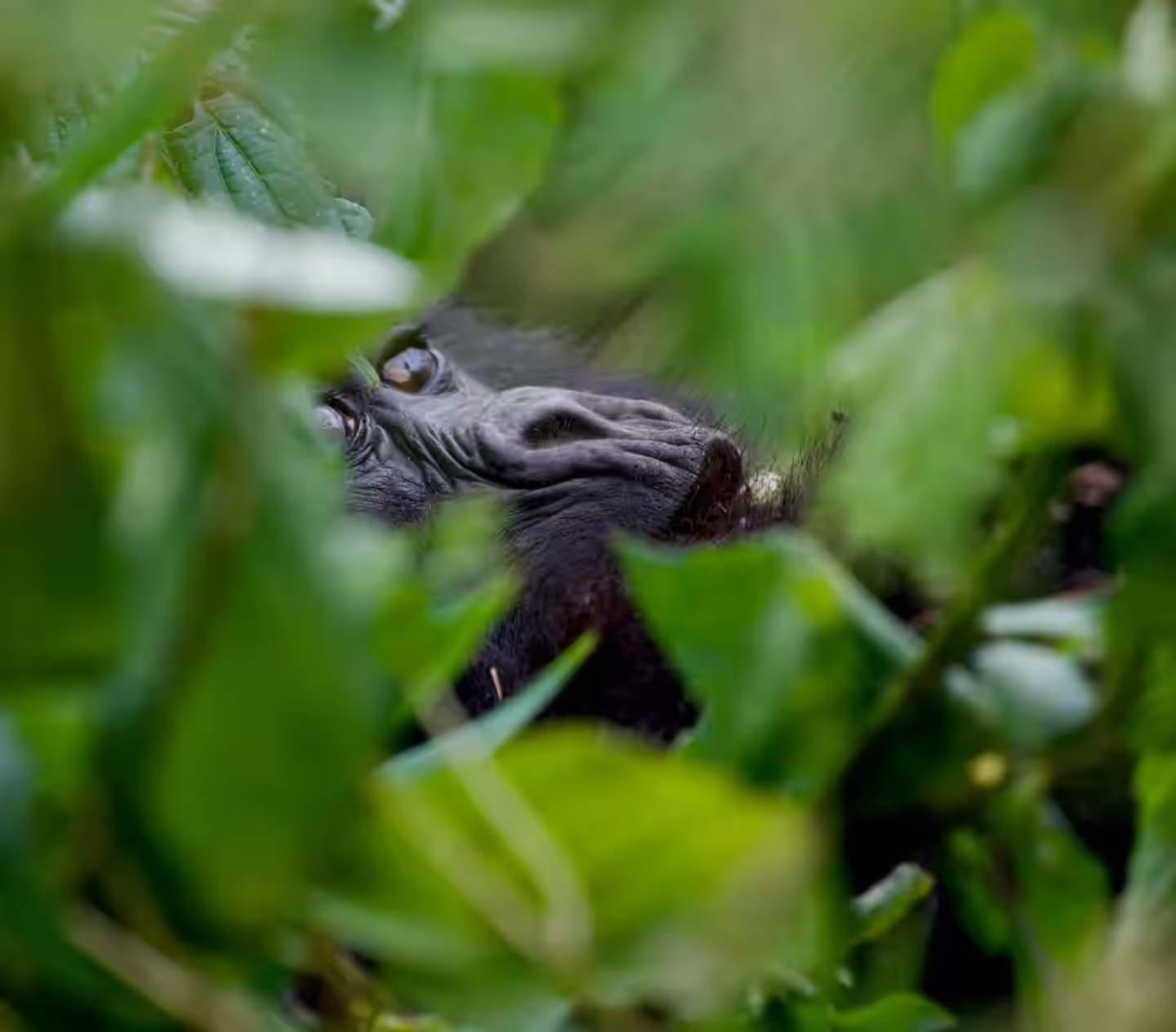
You may see a silverback.
A mother.
A youngster.
Or several members of the group moving through the vegetation.
Every encounter is different.
No particular encounter can be guaranteed.
Preparing for Gorilla Trekking
Preparation makes a difference.
Bring:
- Waterproof hiking boots
- Long trousers
- Long sleeves
- Rain jacket
- Warm layer
- Small backpack
- Water
- Camera
- Gloves if recommended
The forest can be wet even when the weather elsewhere is dry.
Day 8: Begin the Return Journey
After the intensity of the trek, the next day can be slower.
Enjoy breakfast.
Take in the surrounding landscape.
Then begin your return journey.
Depending on your flight schedule, travel toward Entebbe or an appropriate overnight location.
Do not underestimate the value of this transition day.
It gives you time to absorb the experience.
Day 9: Departure
Enjoy a final breakfast.
Transfer to the airport.
Your journey ends.
But the memories remain remarkably vivid.
The forest.
The chimpanzees.
The gorillas.
The elephants.
The water.
The hills.
Uganda has a way of staying with you.
Why Start With Kibale?
Putting chimpanzee trekking early in the journey can work well.
It gives you time to recover from international travel before the gorilla trek.
It also creates a natural progression.
Chimpanzees → Wildlife → Gorillas
The journey becomes increasingly immersive.
Why Include Queen Elizabeth?
Without Queen Elizabeth, the trip would be heavily focused on primates.
That can work.
But adding a classic safari destination provides contrast.
After walking through dense forest, you return to a vehicle.
The landscape opens.
Wildlife becomes easier to observe across broad plains and waterways.
The Kazinga Channel adds another perspective.
Why Finish With Bwindi?
Gorilla trekking can become the emotional high point.
Finishing with Bwindi gives the journey a natural crescendo.
The forest.
The mountains.
The trek.
The encounter.
Then the journey home.
Choosing Your Gorilla Destination
Bwindi is not the only option.
Mgahinga can also provide gorilla trekking.
The choice depends on:
- Permit availability
- Accommodation
- Travel dates
- Trekking area
- Desired scenery
- Overall routing
Your itinerary should be built around whichever trekking experience best fits the journey.
Gorilla Trekking Permits
Permits are an essential part of planning.
Do not leave them until the final stage.
Your trekking date determines where you need to be.
Once that date is confirmed, accommodation and transfers can be organized around it.
Availability can be limited, particularly during high-demand periods.
Chimpanzee Permits
Chimpanzee trekking also involves specific arrangements.
The exact experience depends on the location and current park regulations.
Confirm requirements well before travel.
Green Season Planning
The green season can be beautiful in Uganda.
Forests are lush.
Mountains are often surrounded by rich vegetation.
Waterfalls and streams can become more dramatic.
The downside is that rain can affect roads and trekking trails.
Build extra flexibility into the schedule.
Why Luxury Matters During a Trekking Safari
Trekking can be physically demanding.
You may spend hours walking through uneven terrain.
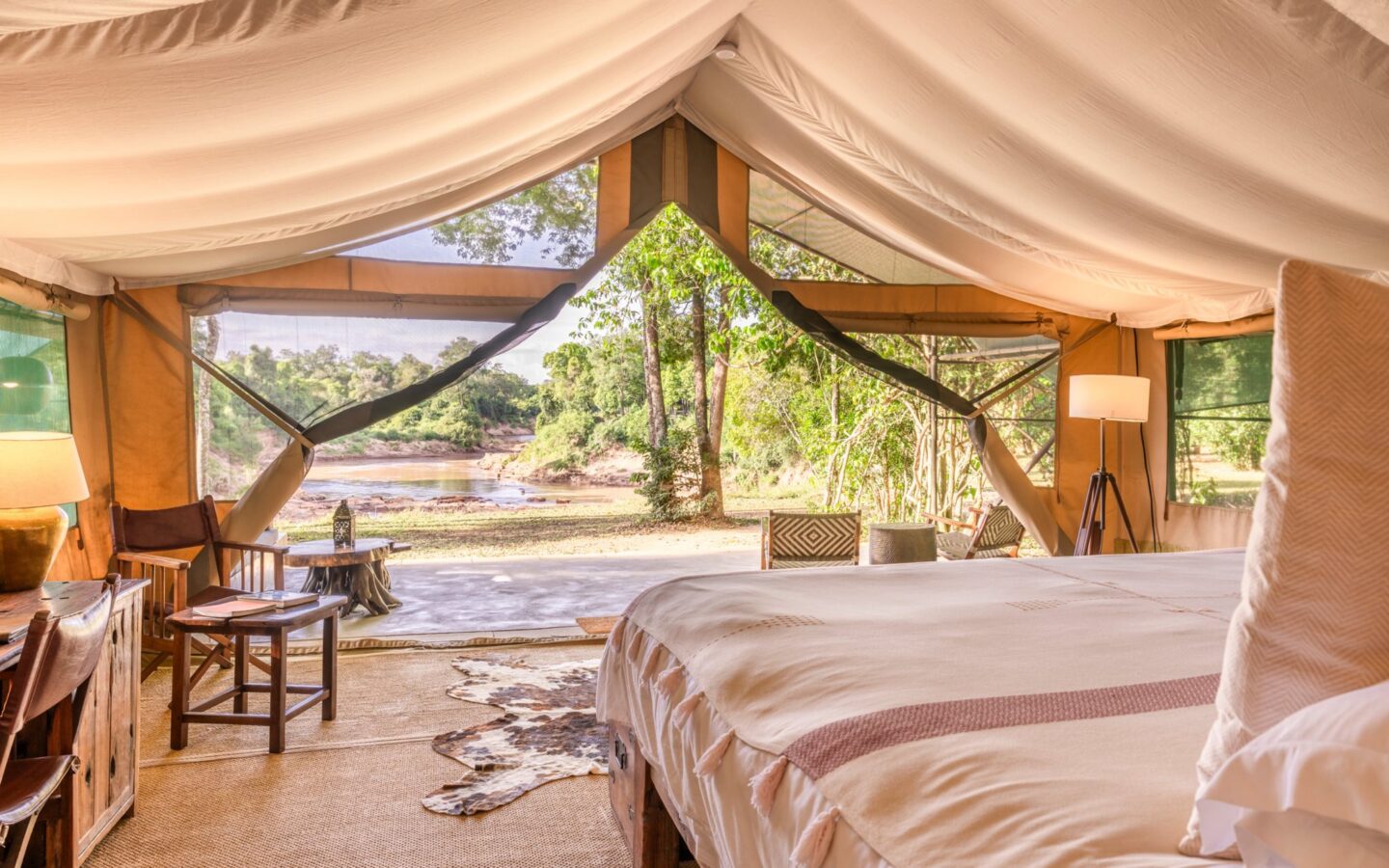
Returning to an exceptional lodge changes the experience.
A warm shower.
A comfortable bed.
Good food.
A fire.
A massage.
A quiet view.
Luxury becomes particularly meaningful after an active day.
Private Vehicles
A private safari vehicle gives you control over the pace.
You can stop when you want.
Spend more time photographing wildlife.
Adjust the departure time.
And enjoy a quieter experience between destinations.
For a luxury itinerary, this flexibility can make a significant difference.
Road Travel or Flying?
Uganda’s roads can provide beautiful scenery.
You see villages.
Fields.
Forests.
Tea plantations.
And the rhythm of everyday life.
But some journeys are long.
Where suitable flight routes exist, flying can reduce travel time.
The decision should be made according to your priorities rather than automatically choosing one option.
What to Pack for a Nine-Day Safari
You do not need excessive luggage.
Trekking
- Hiking boots
- Waterproof jacket
- Long trousers
- Long-sleeved shirts
- Lightweight fleece
- Gloves if useful
Safari
- Neutral-colored clothing
- Comfortable shoes
- Hat
- Sunglasses
- Binoculars
Photography
- Camera
- Spare batteries
- Memory cards
- Lens cloth
General
- Insect repellent
- Sunscreen
- Personal medication
- Water bottle
- Small daypack
How Fit Do You Need to Be?
You should be comfortable walking for extended periods over uneven terrain.
Gorilla trekking can involve steep slopes.
Chimpanzee trekking may also require movement through dense forest.
Your guides will help you navigate the terrain.
The actual duration and difficulty vary from day to day.
If you have mobility or medical concerns, discuss them with your safari planner before booking.
What Happens if It Rains?
The safari continues.
Rain is part of the environment.
Forest trails may become muddy.
Road travel can take longer.
Wildlife behavior may change.
The right clothing makes a major difference.
A good itinerary also includes some flexibility.
Can You See Gorillas and Chimpanzees on the Same Trip?
Yes.
That is one of Uganda’s greatest strengths.
Kibale provides chimpanzee trekking.
Bwindi or Mgahinga provides mountain gorilla trekking.
The experiences are completely different.
Together, they create an extraordinary primate journey.
Can You Add More Wildlife?
Yes.
Queen Elizabeth provides the most natural addition to a nine-day itinerary.
Longer journeys can include Murchison Falls or other wildlife areas.
However, every extra destination requires additional travel.
Do not add destinations simply to increase the number of places visited.
Can You Add Murchison Falls?
Yes, but it is better suited to a longer itinerary.
Murchison Falls is considerably farther north.
Adding it to a nine-day primate journey may create unnecessary travel.
If you have twelve to fourteen days or more, the calculation changes.
What About a Luxury Beach Extension?
Uganda does not have an Indian Ocean coastline.
But you can extend the journey to a neighboring coastal destination if you have additional time.
Kenya or Tanzania can provide an elegant beach finale.
Alternatively, continue your East African journey into another safari destination.
Planning for Couples
A nine-day primate safari can be wonderfully romantic.
Private transfers.
Forest lodges.
Candlelit dinners.
Mountain views.
Shared trekking experiences.
Then quiet evenings together.
The adventure creates memories that feel very different from a conventional beach honeymoon.
Planning for Families
Families with older children can enjoy the combination of wildlife and primates.
The exact suitability depends on age restrictions, trekking regulations and the family’s comfort with active walking.
Private guiding can help create a more flexible pace.
Conservation and Community
A responsible Uganda safari should leave a positive footprint.
Tourism supports:
- Protected areas
- Local employment
- Conservation
- Community initiatives
- Wildlife monitoring
Gorilla and chimpanzee tourism has a particularly strong connection to forest conservation.
Your visit is part of that wider ecosystem.
Common Mistakes to Avoid
Booking Permits Too Late
Trekking availability can determine the entire itinerary.
Underestimating Road Travel
Some journeys take longer than they look on a map.
Overpacking
Keep luggage practical.
Forgetting Rain Gear
Forest weather can change quickly.
Scheduling Too Much
Leave room to enjoy the lodges.
Expecting Guaranteed Wildlife Encounters
Primates and other wildlife remain wild and unpredictable.
Why Beaumont Tours?
A nine-day Uganda primate safari involves several moving pieces.
Chimpanzee permits.
Gorilla permits.
Luxury lodges.
Private vehicles.
Wildlife activities.
Road transfers.
Potential flights.
And the right pacing.
Beaumont Tours can bring these elements together into one seamless journey.
Explore the Uganda Primate Sanctuaries & Elite Wildlife Encounters.
Continue with Luxury Uganda Primate Safari: The Ultimate Guide and Best Places for a Luxury Primate Safari in Uganda.
Frequently Asked Questions
Is nine days enough for a Uganda primate safari?
Yes. Nine days can provide a strong combination of chimpanzee trekking, gorilla trekking and classic wildlife experiences.
Can I see gorillas and chimpanzees in nine days?
Yes, provided the permits, routing and travel logistics align.
Where should I go for chimpanzee trekking?
Kibale is one of Uganda’s principal chimpanzee destinations.
Where should I go for gorilla trekking?
Bwindi and Mgahinga both offer mountain gorilla trekking.
Is gorilla trekking difficult?
Conditions vary. Terrain can be steep, muddy and uneven, and the duration depends on the location of the gorilla group.
Is the green season a good time to visit Uganda?
It can be excellent for lush landscapes and photography, although rain can make roads and forest trails more challenging.
Are gorilla sightings guaranteed?
No. Gorillas are wild animals and encounter conditions cannot be guaranteed.
Can I use domestic flights?
Where appropriate routes exist, domestic or regional flights can reduce long road transfers.
Should I use a private vehicle?
For a luxury safari, private vehicles provide greater flexibility and allow the itinerary to be tailored to your interests.
Can I extend the trip?
Yes. Longer itineraries can include Murchison Falls, additional wildlife destinations or an onward East African extension.
Your 9-Day Uganda Primate Adventure
Nine days is enough to create a remarkable story.
Begin with chimpanzees beneath the canopy.
Move into the savannah.
Watch elephants along the water.
Then enter the misty forests of Bwindi.
Walk quietly.
Listen.
And perhaps find yourself standing only a short distance from a mountain gorilla.
That transition from forest to savannah and back into the forest is what makes Uganda so compelling.
Discover Beaumont Tours’ Uganda Primate Sanctuaries & Elite Wildlife Encounters.